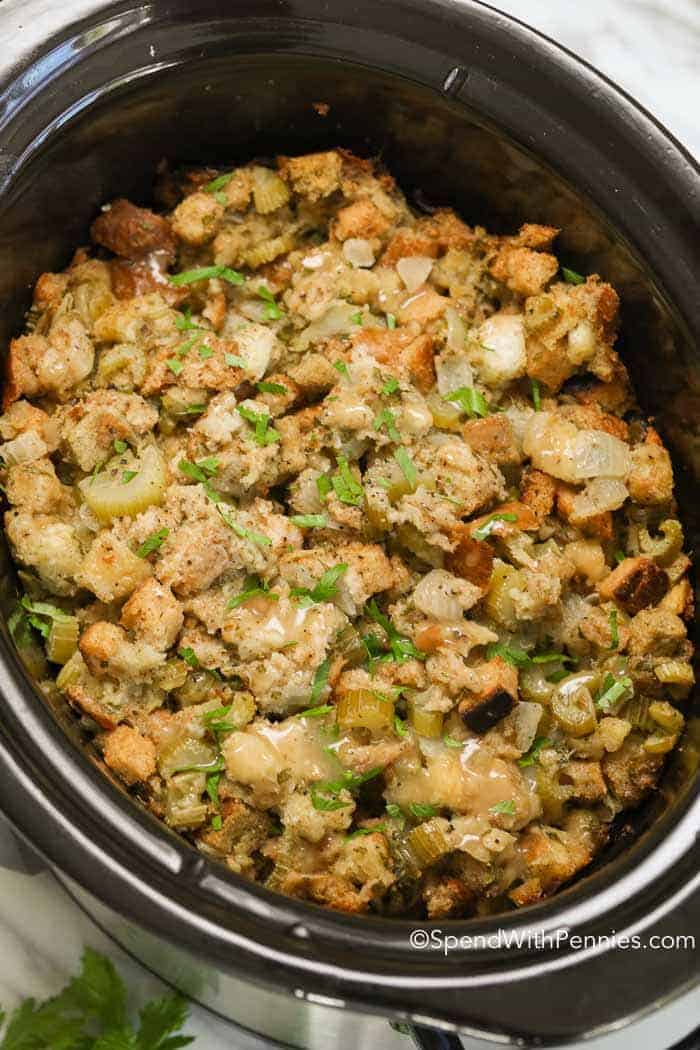
Get Perfect Crispy & Moist Crock Pot Stuffing Every Time
The holiday season brings with it a delightful array of traditions, family gatherings, and, of course, a magnificent feast. Yet, for many home cooks, the joy can quickly turn into a logistical nightmare, especially when it comes to orchestrating a symphony of dishes that all demand precious oven space. Imagine a world where your stuffing is not only perfectly cooked – boasting irresistible crispy edges and a delightfully moist center – but also doesn't hog the oven, allowing you to seamlessly bake that turkey, roast those potatoes, and warm those rolls. This isn't a culinary fantasy; it's the magic of
crock pot stuffing, a game-changer for stress-free holiday entertaining.
Embracing the slow cooker for your stuffing isn't just about convenience; it's about unlocking a superior texture that's notoriously difficult to achieve with traditional oven methods. The gentle, even heat of a slow cooker creates a microclimate that browns the edges beautifully while infusing the center with succulent moisture. If you've ever wrestled with dry, crumbly stuffing or overly soggy versions, prepare to be amazed. This method consistently delivers a deeply flavorful, textural masterpiece that will have your family fighting over the last spoonful.
Achieving the Ultimate Crispy-Moist Balance: The Secrets to Perfect Texture
The hallmark of truly great stuffing lies in its contrasting textures: a golden, slightly crunchy exterior giving way to a tender, aromatic interior. The slow cooker excels at this delicate balance, but a few key steps are essential to ensure your
crock pot stuffing reaches its full potential.
1. Bread Preparation is Key: The Foundation of Flavor
The journey to perfect stuffing begins with the bread. Using fresh, soft bread will inevitably lead to a mushy, dense result. The goal is to dry out the bread pieces, allowing them to better absorb the flavorful broth and seasonings without disintegrating. This crucial step prevents your stuffing from becoming a soggy disappointment and instead provides a robust structure that holds up beautifully.
Here are two effective methods for drying your bread:
- The Overnight Air Dry (Recommended): Tear your chosen bread into bite-sized chunks (about 1-inch pieces are ideal for optimal texture). Spread them out evenly on a large baking sheet or clean kitchen towels, uncovered, and let them air dry overnight. This gentle method allows the exterior to become quite dry while retaining a hint of moisture inside, which is exactly what you want.
- The Quick Oven Method: If you're short on time, preheat your oven to a low 250°F (120°C). Spread the bread chunks on a baking sheet and bake for about 20-30 minutes, or until the edges feel dry and slightly firm to the touch. Be sure to stir them halfway through to ensure even drying. The inside should still have a slight give.
Regardless of the method, the bread should feel fairly dry on the outside but not cracker-crisp throughout. This texture allows it to soak up all the delicious liquids and flavors without turning into a solid mass.
2. The Broth Conundrum: A Balancing Act of Moisture
The amount of broth you add is perhaps the most subjective and critical element in achieving your desired stuffing consistency. Factors like the type of bread (dense sourdough vs. airy white bread), how thoroughly it's been dried, and even the size of your bread chunks will influence how much liquid is needed. Personal preference also plays a significant role: do you prefer a very soft, moist stuffing, or something a bit firmer?
Our starting recommendation is to begin with approximately 1 ½ to 2 ¼ cups of broth for a standard recipe, but always treat this as a guide, not a rigid rule.
- Start by adding about 1 ½ cups of warm broth to your bread and veggie mixture. Stir gently but thoroughly, ensuring all the bread pieces are coated. Let it sit for 5-10 minutes to allow the bread to begin absorbing the liquid.
- Now, perform the "squeeze test." Pick up a piece of bread and gently squeeze it. If it feels relatively dry, still holds its shape firmly, and the liquid hasn't fully penetrated the center, you likely need more broth.
- Add broth in ¼ to ½ cup increments, stirring well after each addition and allowing it to absorb before testing again. Continue this process until the bread feels adequately moistened – soft but not soggy, and still holding its individual shape without collapsing into a paste. The goal is for the liquid to have absorbed into the center of the bread piece.
This methodical approach ensures you hit that sweet spot, preventing a dry, crumbly result or an overly wet, unappealing one. Remember, you can always add more broth, but you can't take it away!
Mastering the Make-Ahead Magic: Your Stress-Free Holiday Companion
One of the most compelling advantages of making
crock pot stuffing is its incredible flexibility for holiday meal planning. The ability to prepare components in advance and cook the stuffing outside of the main oven means less stress and more time to enjoy your guests (or a quiet cup of coffee!). This method genuinely liberates your schedule and oven, proving invaluable on those busy cooking days. For more tips on maximizing oven space, check out our guide on
Free Up Oven Space: Easy Crock Pot Stuffing for Holidays.
Prep Ahead for a Breeze:
- Bread Drying: As mentioned, tearing and drying your bread can be done the day before. Store the dried bread in an airtight container or a large zip-top bag at room temperature.
- Veggies & Herbs: Chop your onions, celery, mushrooms, and other aromatics a day in advance. Store them covered in separate containers in the refrigerator. This significantly reduces active cooking time on the big day.
- Herb Blending: Combine your dried herbs (thyme, sage, rosemary) in a small bowl so they're ready to go.
Cooking Day-Of for Peak Freshness:
While many slow cooker dishes are fantastic for overnight cooking, for the absolute best texture and flavor, we recommend cooking your
crock pot stuffing on the day you plan to serve it. This ensures those coveted crispy edges are at their prime and the interior remains perfectly moist and flavorful. You can easily start it a few hours before mealtime.
Once cooked through (typically on high for a few hours, depending on your slow cooker and recipe), switch your crock pot to the "warm" setting. This allows you to hold the stuffing at a safe, delicious temperature for several hours without it drying out or overcooking. This make-ahead capability, combined with its ability to hold beautifully, makes it an indispensable dish for any holiday spread. Discover more strategies for a calm kitchen with our article,
Make Ahead Crock Pot Stuffing: Stress-Free Holiday Sides.
Beyond the Basics: Customizing Your Crock Pot Stuffing
While a classic stuffing recipe seasoned with thyme, sage, and mushrooms is undeniably delicious, the beauty of
crock pot stuffing lies in its versatility. You can easily adapt the base recipe to suit your personal preferences and complement your main course.
Elevate Your Flavor Profile:
- Aromatics: Beyond the standard onion and celery, consider adding finely diced carrots, leeks, bell peppers (red or green), or even shallots for a more nuanced flavor. Sautéing these until softened and slightly caramelized before adding to the slow cooker will deepen their flavor.
- Herbs: Experiment with fresh herbs like parsley, rosemary, or marjoram alongside the classic dried sage and thyme. Fresh herbs, added towards the end of cooking, can brighten the flavor considerably.
- Spices: A pinch of nutmeg can add warmth, while a tiny dash of cayenne pepper or a grind of black pepper can introduce a subtle kick. Poultry seasoning is always a reliable choice.
Savory Additions for Extra Richness:
- Meats: Browned sausage (sweet, spicy, or breakfast sausage), cooked bacon bits, diced pancetta, or even chopped cooked oysters can transform your stuffing into a heartier dish. Drain excess fat before adding to the bread mixture.
- Fruits & Nuts: Dried cranberries, diced apples, chopped pecans, walnuts, or chestnuts add delightful pops of texture and sweetness, balancing the savory elements beautifully.
- Umami Boosters: In addition to mushrooms, a splash of Worcestershire sauce or a teaspoon of dijon mustard can add depth and complexity.
Choosing Your Bread Base:
The type of bread you use significantly impacts the final taste and texture. While standard white sandwich bread works, consider these options for an elevated experience:
- Sourdough: Offers a pleasant tang and chewy texture.
- Cornbread: Creates a slightly sweeter, crumblier stuffing, especially good with a spicy sausage.
- Challah or Brioche: Richer, eggier breads that yield a very tender and luxurious stuffing.
- Whole Wheat or Artisan Loaves: Provide more body and a nuttier flavor.
Experiment with different combinations to discover your signature
crock pot stuffing creation!
Conclusion
The quest for the perfect holiday stuffing often ends in a battle for oven supremacy or a compromise on texture. But with the ingenious method of
crock pot stuffing, you can banish those worries for good. This technique not only frees up valuable oven real estate but consistently delivers a stuffing that boasts tantalizing crispy edges and an exquisitely moist, flavorful interior. With strategic prep-ahead options and endless customization possibilities, your slow cooker becomes an indispensable ally in creating a stress-free, delicious holiday meal. Make the switch this year and discover the magic of perfectly cooked stuffing, every single time. Your taste buds, and your peace of mind, will thank you.